After the morning shoot and after breakfast, friend and fellow photographer Robert Mance and I headed out in search of more water for sunset. We decided to head down towards Badwater Basin, the lowest point in North America. Instead of going to the main parking lot area, we headed down the West Side Road to see what could be found on the west side of the basin, where neither of us had ever been before.
Here are some pictures from what we found.
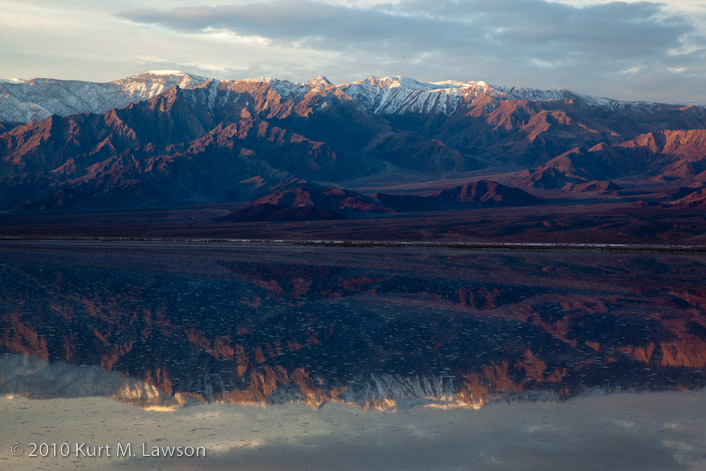
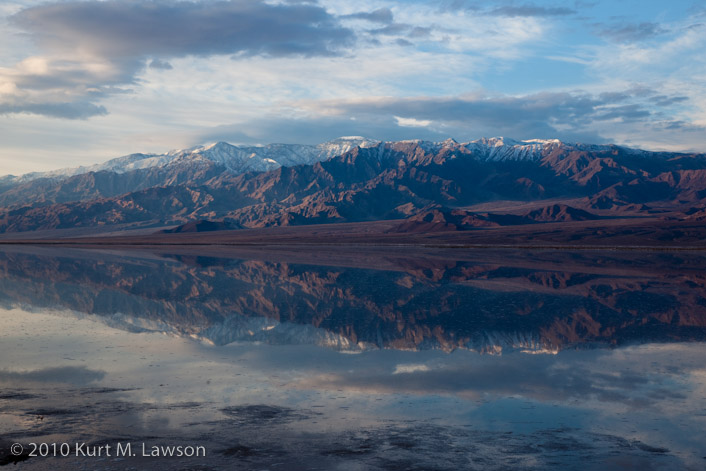
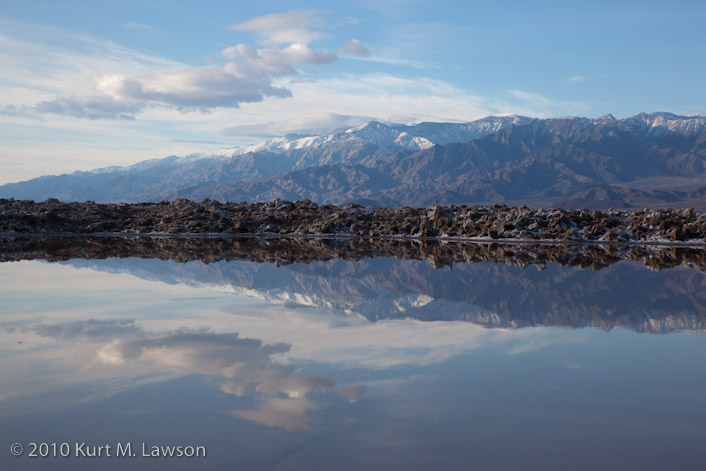
Telescope Peak from the West Side Road
The closest I’ve been yet to Telescope Peak.
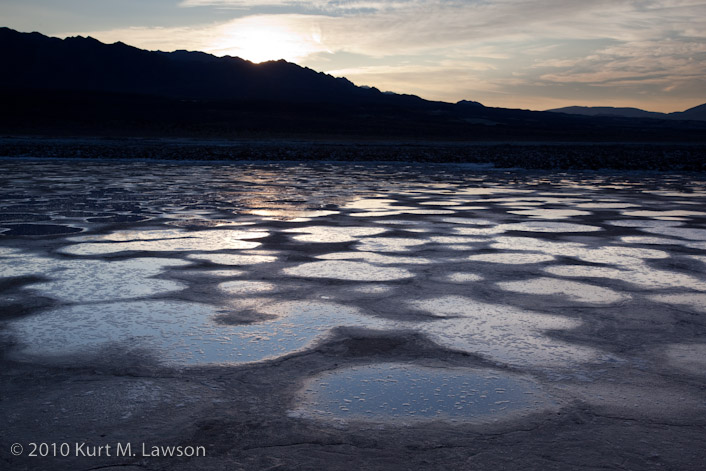
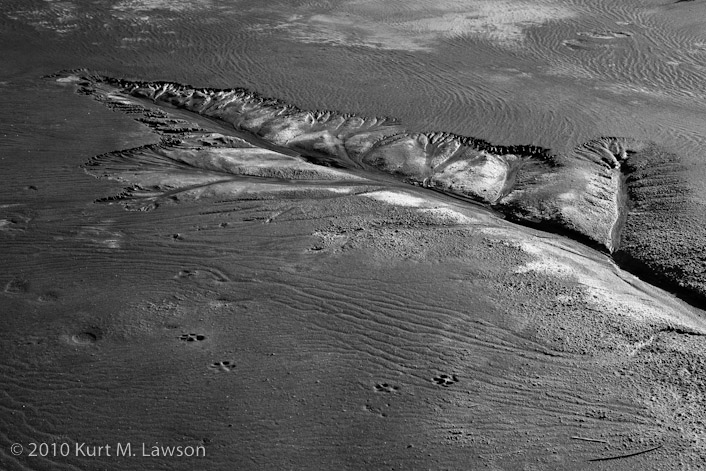
Cracked Mud Pattern
This group of cracked mud caught my eye.
The seemingly endless Devil's Golf CourseWater along the road
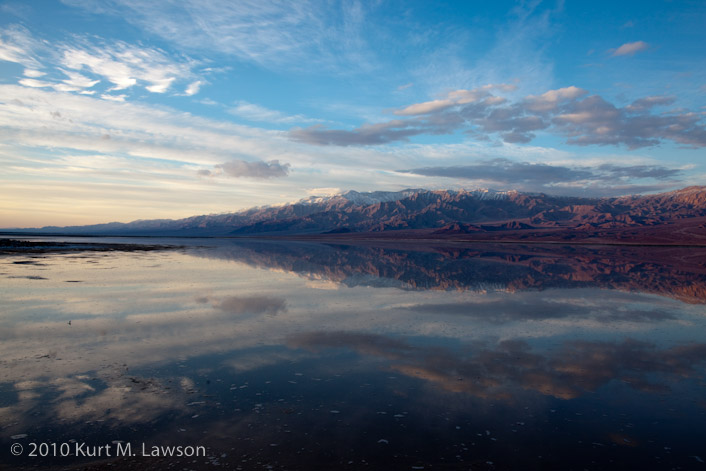
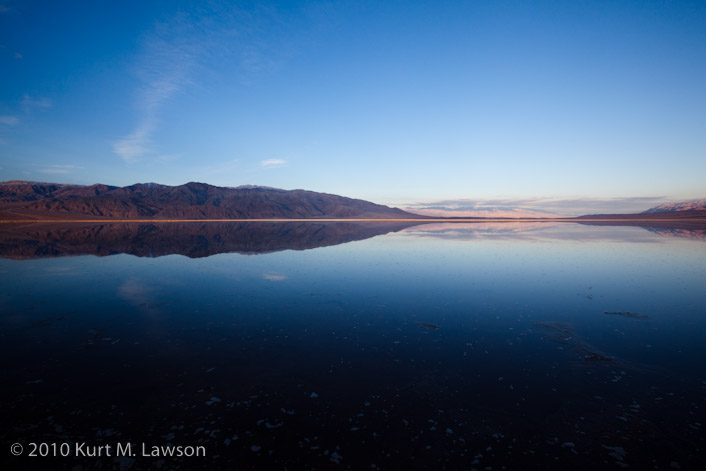
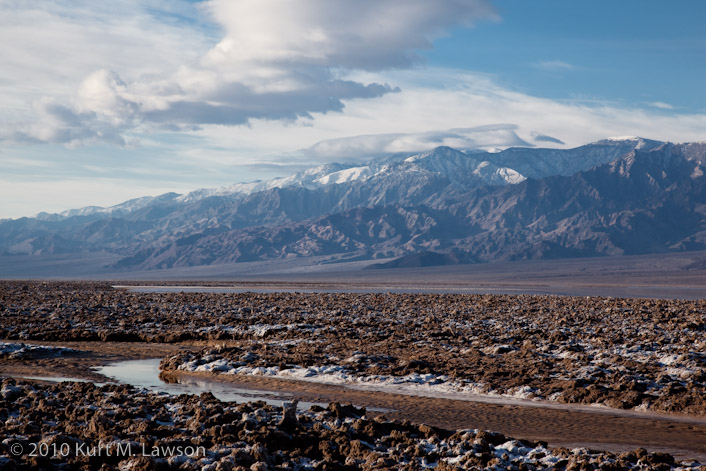
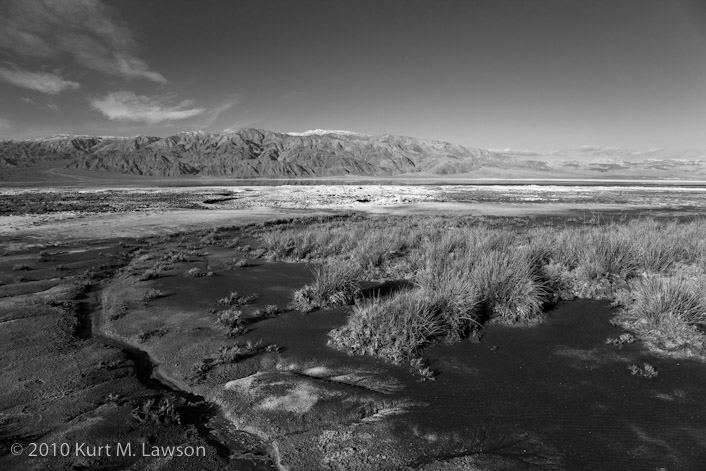
This patch of water was quite large. In fact according to my GPS it is part of Salt Creek, although the water is way too salty here to support the Death Valley Pupfish. A strange car load of people stopped and asked Robert if we saw any fish here. The main Salt Creek area was closed due to muddy roads although you could still get there on foot if you were willing to hike a few extra miles. Anyway, we were pleased with this location and decided to head back for Sunset.
Salty patterns and waterBig blue sky and water in Death ValleyLooking south towards Badwater
The next update will feature pictures from an amazing sunset in Death Valley unlike any other I’ve seen.
After upgrading my camera a few months back, I haven’t quite had the chance to do a proper multi-day photo trip until now. After a seemingly endless drive starting with rush-hour traffic out of LA on a Friday night and sleeping in my car of all places, I was rewarded in the morning for our first shoot in one of my all time favorite places – Death Valley National Park.
Death Valley is an absolutely amazing place. This 3 million acre + park is an alien landscape. There is little life to be seen anywhere, and indeed in some places there is basically none at all. In the summertime temperatures can soar into the 130’s. The stark beauty presented here is unlike anything else I’ve ever seen. The Mojave desert in places seems like a tropical jungle of vegetation in comparison to some places in Death Valley.
This is my fourth trip to Death Valley. Every time I’ve been there has been full of awesome opportunities for photography in this unique, harsh and desolate environment. Our prime focus on this trip was water. And, naturally, reflections.
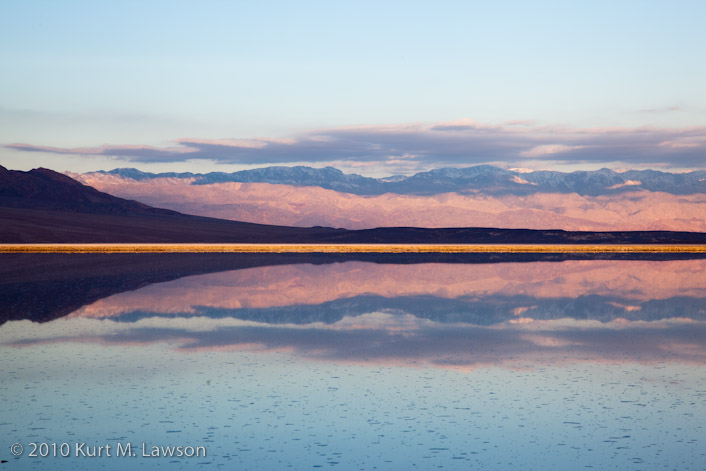
The first rays of sunrise hit Telescope Peak and the Panamint rangeMorning Glow in the Panamint RangeSunrise ReflectionsMirrored PanamintsSunrise SymmetryThe Sun peeks over the Funeral Mountains
The most amazing thing happened with the light this morning. Some clouds blocked the sun, but leaving a slot through which the light could go through. The result of this was a dark hillside in front of the Panamints but with a narrow laser of light illuminating the salt encrustations on the far side of the water. Here are the best of my shots in my mad scramble to capture this phenomenon:
Amazing LightJust Magical
I’ve never seen anything like it, and I might not ever again.
Clouds make all the difference
Having clouds in Death Valley makes a huge difference in the quality of photographs there. Clouds are a rare thing there, and this morning in the hours before sunrise there was not a single cloud to be seen. And yet, as sunrise approached the clouds seemingly came out of nowhere to our delight.
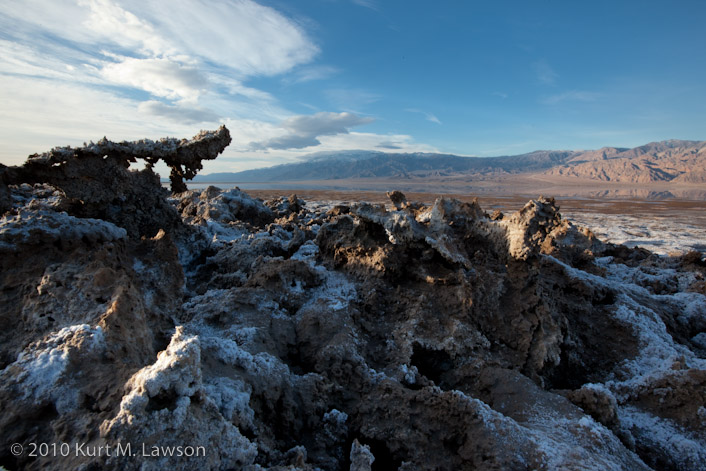
Mud and salt encrustations
Death Valley is full of phenomenon like these encrustations here. The salt content in the mud causes it to build up and grow into these strange structures. If you could set up a time lapse photo system and let it go for an entire year, I wonder how much you would see these grow and ooze as the salt interacts with moisture in the playa.
Another section of the playaTelescope Peak reflections
A parting look back at Telescope Peak as we began to head to breakfast. A peninsula of encrustations provides something different.
A miniature grand canyonLooking back from the marsh
This was just the first of four different shooting sessions this trip. More Death Valley to come!